Eco-Friendly Disposal & Recycling · Abingdon, Oxford & Oxfordshire
Eco-Friendly Disposal& Recyclinglandfill treated as a last resort
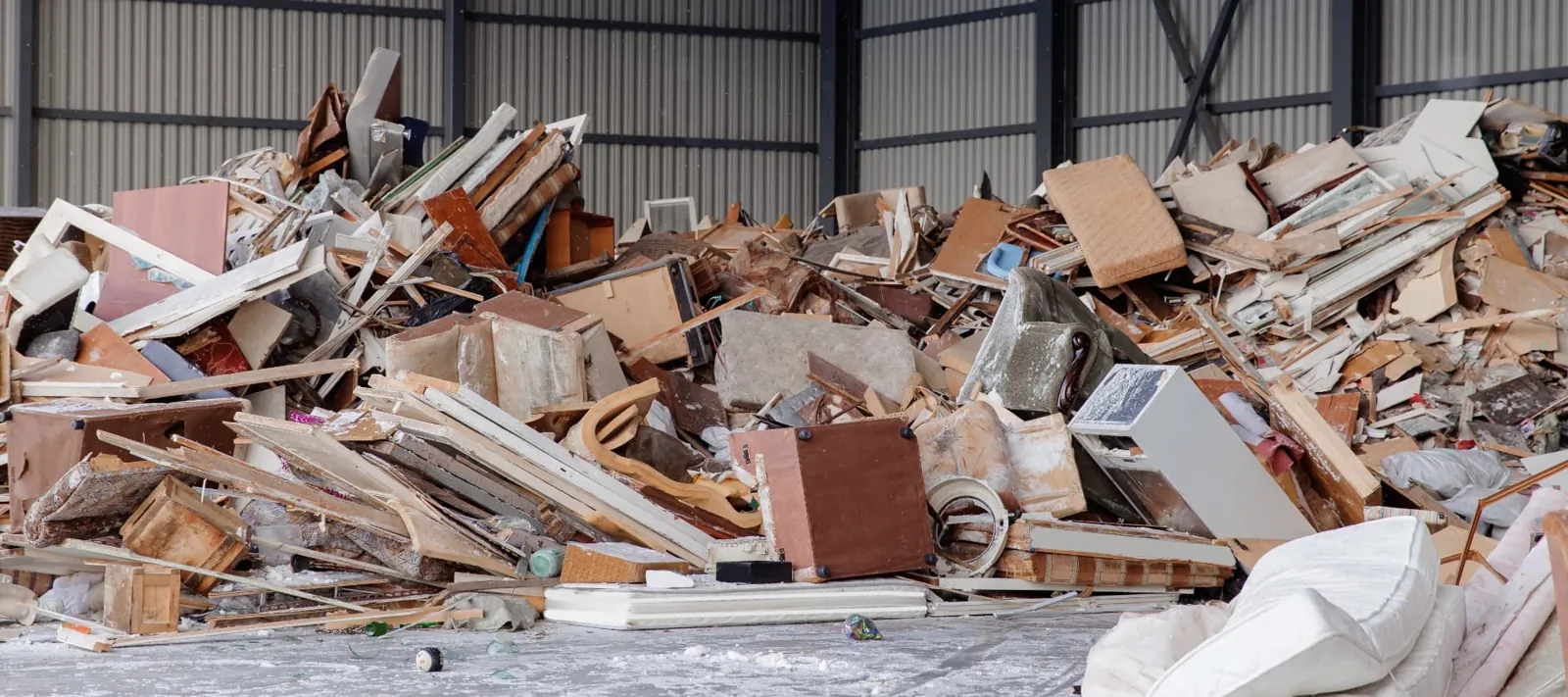
Reuse first, charity donation where possible, and recycling for metal, wood, electricals and textiles, so as little as possible from a clearance ends up in landfill.
Free quote with no obligation · same-day clearance often available · fully insured, family-run team
01 Family-run by Spencer & Cordelia
02 25+ years of clearance experience
03 Free, no-obligation quote
04 Fully insured, respectful team
05 Reuse, donation & recycling first
What it is
Eco-Friendly Disposal & Recycling: what the work involves
Every clearance produces a mix of things: some worth keeping and reusing, some suitable for charity, some that can be recycled by material, and a small amount that genuinely cannot go anywhere except landfill. How that mix gets handled makes a real difference, and it is something we think about on every job rather than treating as an afterthought.
On a Spencer's House Clearance job, items are looked at individually rather than swept into one skip. Furniture, electricals and textiles in good condition are set aside for reuse or donated to charity where possible; metal, wood and other materials that can be recycled are separated out; and only what is left over, genuinely unusable or unrecyclable, goes to landfill.
We are honest about how this works: charity donation depends on the condition of the item and whether a suitable charity or reuse route is available at the time, so it is handled on a job-by-job basis rather than guaranteed for every item. What we can commit to is that reuse and recycling are always considered first, and landfill is always the last option, not the first one reached for.
This approach applies whether the job is a full house clearance, a single room, or a straightforward rubbish removal collection. It is not a separate, more expensive service; it is simply how every job is carried out as standard, because sorting items properly does not take significantly longer, it just takes attention.
Who it is for
- Households who want their unwanted items handled responsibly, not just skipped
- Anyone clearing a property who would like usable furniture to go to charity where possible
- People concerned about the environmental impact of a house clearance
- Landlords and executors who want disposal handled properly as part of a clearance
When it is needed
- You want reusable furniture and items to go to charity rather than landfill
- A clearance includes metal, wood or electricals that should be recycled properly
- You are clearing a property and want the process handled responsibly
- You want to know exactly what happens to items once they leave the property
What goes wrong
Why care and planning matter
These are the problems we are called in to put right after a rushed clearance. Every one of them is easier to avoid at the quote stage than to sort out afterwards.
Everything treated as waste by default
Some clearance services take the fastest route and skip everything regardless of condition. That sends usable furniture and recyclable materials straight to landfill unnecessarily. We sort before we dispose.
Overstated recycling claims
It is easy for a company to claim a headline recycling percentage it cannot back up. We do not quote figures we have not confirmed; what we can say plainly is that reuse and recycling come before landfill on every job.
Charity donation treated as guaranteed
Not every item is suitable for charity, and not every charity can take every donation at the time. We treat this honestly, as something we pursue where possible rather than promise for every item.
Materials that need separating being mixed together
Metal, wood, electricals and textiles all have different recycling routes. Items thrown into a single mixed load often end up landfilled simply because they were not separated. We sort by material where practical.
Assuming a company's 'green' claims are independently checked
Terms like eco-friendly or green clearance are not regulated, and a company can use them without any accreditation behind them. We do not hold a formal certification for this either, so rather than lean on a badge, we simply explain plainly how each job is sorted so you can judge the approach for yourself.
How it works
Our process, from first call to final sweep
Assess items on site
Each item is looked at during the clearance rather than automatically boxed as waste.
Set aside for reuse or charity
Furniture, electricals and other items in suitable condition are separated out for reuse or donation to charity where possible.
Sort recyclable materials
Metal, wood, electricals and textiles are separated so they can go through the right recycling route.
Remove genuine waste last
Only items that cannot be reused or recycled are treated as waste for disposal.
Landfill as a last resort
Landfill is used only when there is genuinely no reuse or recycling option available for an item.
What you get
The benefits of eco-friendly disposal & recycling
Reuse considered first
Items in good condition are kept out of the waste stream wherever possible.
Charity donation where possible
Suitable items are offered to charity rather than automatically discarded.
Materials recycled properly
Metal, wood, electricals and textiles sorted for the correct recycling route.
Landfill genuinely minimised
Used only when nothing else is a realistic option for an item.
Honest about the process
No inflated recycling claims, just a clear explanation of how each job is handled.
Family-run care
Spencer and Cordelia sort items personally rather than leaving it to chance.
In detail
Eco-Friendly Disposal & Recycling: how we handle it
How items are sorted during a clearance
Sorting happens as the clearance progresses rather than afterwards. Furniture and household items in reasonable condition are identified for reuse or charity donation; anything electrical is checked for basic condition before being considered for reuse; and materials like scrap metal, wood and textiles are grouped separately so they can be taken to the right recycling point.
- Furniture and household goods checked for reuse condition
- Electricals assessed before being considered for donation
- Scrap metal separated for recycling
- Wood, textiles and other materials grouped by type
- Genuine waste identified and handled last
Charity donation, honestly explained
We would like every reusable item to go to a good home, but the reality of charity donation is that it depends on the item, its condition, and whether a local charity has the capacity to take it at that time. We pursue this on a job-by-job basis and will always try where an item is suitable, but we do not promise it for every item on every job, because that would not be honest.
What this means for landfill
By sorting for reuse and recycling first, the amount that ends up going to landfill from a typical clearance is genuinely reduced, though we do not quote a specific percentage figure because that has not been formally measured or certified. What we can say plainly is that landfill is the last option we reach for, used only for items with no other realistic route.
How this differs from a standard skip hire
A general skip treats everything placed in it as a single mixed load, and once metal, wood, furniture and general rubbish are all thrown in together, separating them afterwards is far harder and often does not happen at all. Because we sort as we go, rather than filling one container and dealing with it later, materials stay separated from the start, which is what makes proper recycling routes and reuse possible in the first place.
This distinction matters most on larger jobs, such as full house clearances or garage and loft clearances, where the range of materials involved is wide: furniture, electricals, scrap metal, textiles and general waste can all appear in a single property.
Residential jobs versus landlord and executor clearances
On a household job, the person who owns the items is usually present and can tell us on the spot what they would like kept, donated or disposed of, which makes sorting straightforward. On landlord, letting agent or probate and executor clearances, nobody may be present to make that call, so we use judgement based on condition and communicate anything notable before disposal, rather than assuming everything should simply be treated as waste.
This is particularly relevant for probate clearances, where items may have sentimental or resale value that is not obvious at a glance, and for end-of-tenancy clearances, where a landlord may want confirmation of what has been removed for their own records.
Applying this approach across Oxfordshire
The same sorting process is used on every job across Abingdon, Oxford, Didcot, Wantage, Wallingford, Witney, Kidlington and Bicester, regardless of property type or job size. Local charity shops and reuse routes vary slightly from town to town, so which specific donation route is used on a given day can depend on where the job is and what is available at the time, but the underlying approach, reuse first, then recycling, then landfill as a last resort, does not change.
Eco-friendly disposal and recycling applied to every job across Abingdon, Oxford, Didcot, Wantage, Wallingford, Witney, Kidlington and Bicester. See our service areas for the full list, or start from the homepage for an overview of how we work.
Questions
Eco-Friendly Disposal & Recycling questions we are asked most
Do you recycle items from a clearance?+
Yes, metal, wood, electricals and textiles are separated out and recycled where possible, rather than being treated as general waste.
Will my furniture go to charity?+
Where an item is in suitable condition and a charity or reuse route is available at the time, yes. This is handled job by job rather than guaranteed for every item.
What percentage of items do you recycle?+
We do not quote a specific percentage figure, as that has not been formally measured. What we can say is that reuse and recycling are considered before landfill on every job.
Do you have a recycling certification?+
We have not obtained a formal certification for this. Our approach is to sort responsibly on every job rather than rely on a badge.
What happens to electricals?+
They are assessed for reuse condition before being considered for donation; those unsuitable for reuse are recycled through the correct route.
Is landfill ever used?+
Only as a last resort, for items with no realistic reuse or recycling option.
Can I ask for specific items to be donated to charity?+
Yes, tell us and we will do what we can to route them accordingly, depending on condition and charity availability.
Does eco-friendly disposal cost more?+
No, it is simply how we handle every clearance and rubbish removal job as standard.
Which areas does this apply to?+
This approach applies to every job across Abingdon, Oxford, Didcot, Wantage, Wallingford, Witney, Kidlington and Bicester.
How is the cost of an eco-friendly clearance worked out?+
The same way as any clearance or removal job, based on volume, item type and access, not a separate green pricing tier. Call 07908 629943 for a free, no-obligation quote.
Get a free quote
Tell us what needs clearing and Spencer or Cordelia will come back to you with a clear price. No call-out fee, no obligation.
Related work
Services that pair with eco-friendly disposal & recycling
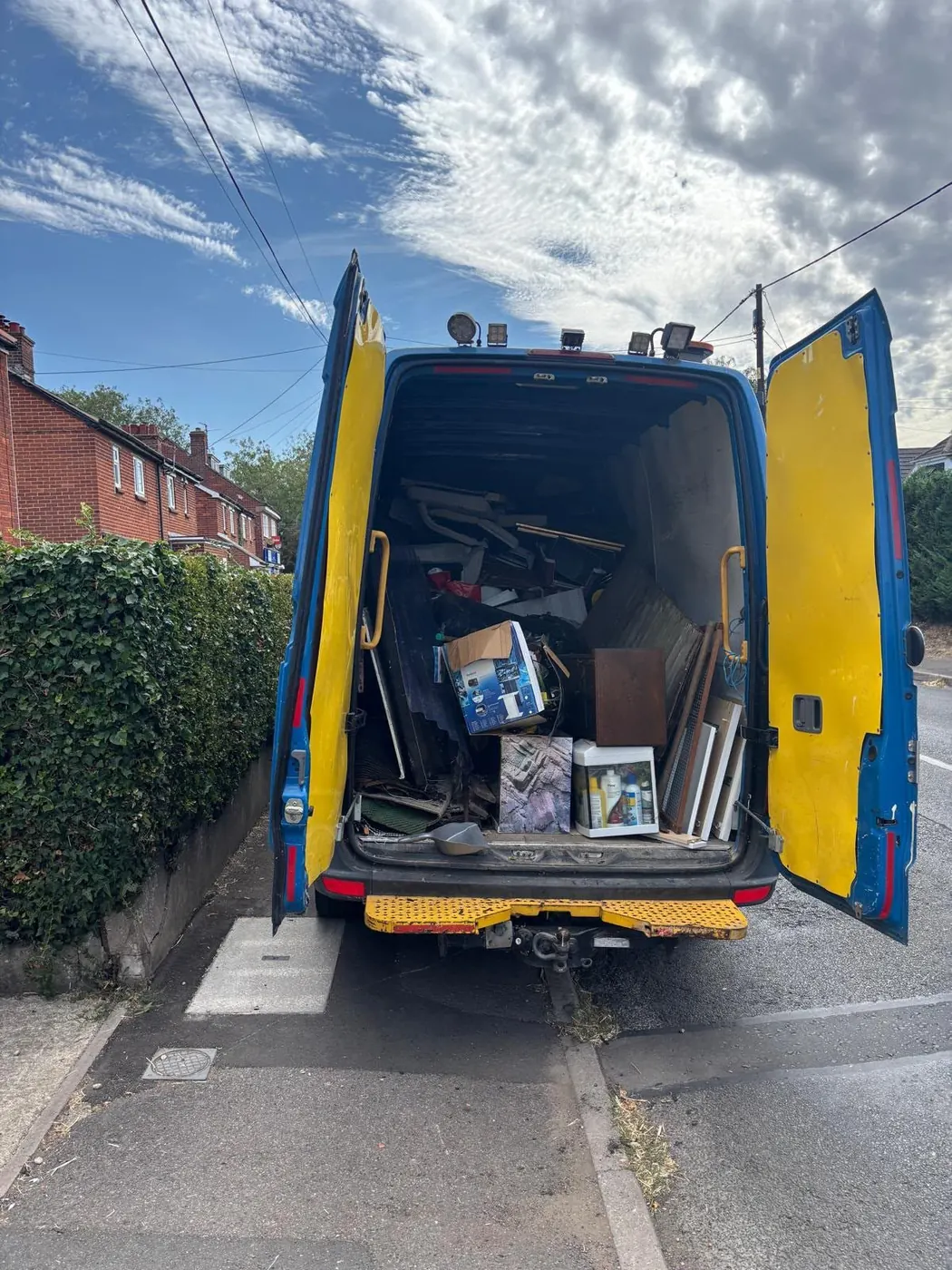
Rubbish & Waste Removal
General rubbish, garden waste, old furniture and bulky household junk collected and taken away, sorted for reuse and recycling wherever possible before anything goes to landfill.

House Clearances
A full house cleared by the same two people from start to finish, quoted for free before anything is touched, and left broom-clean at the end.
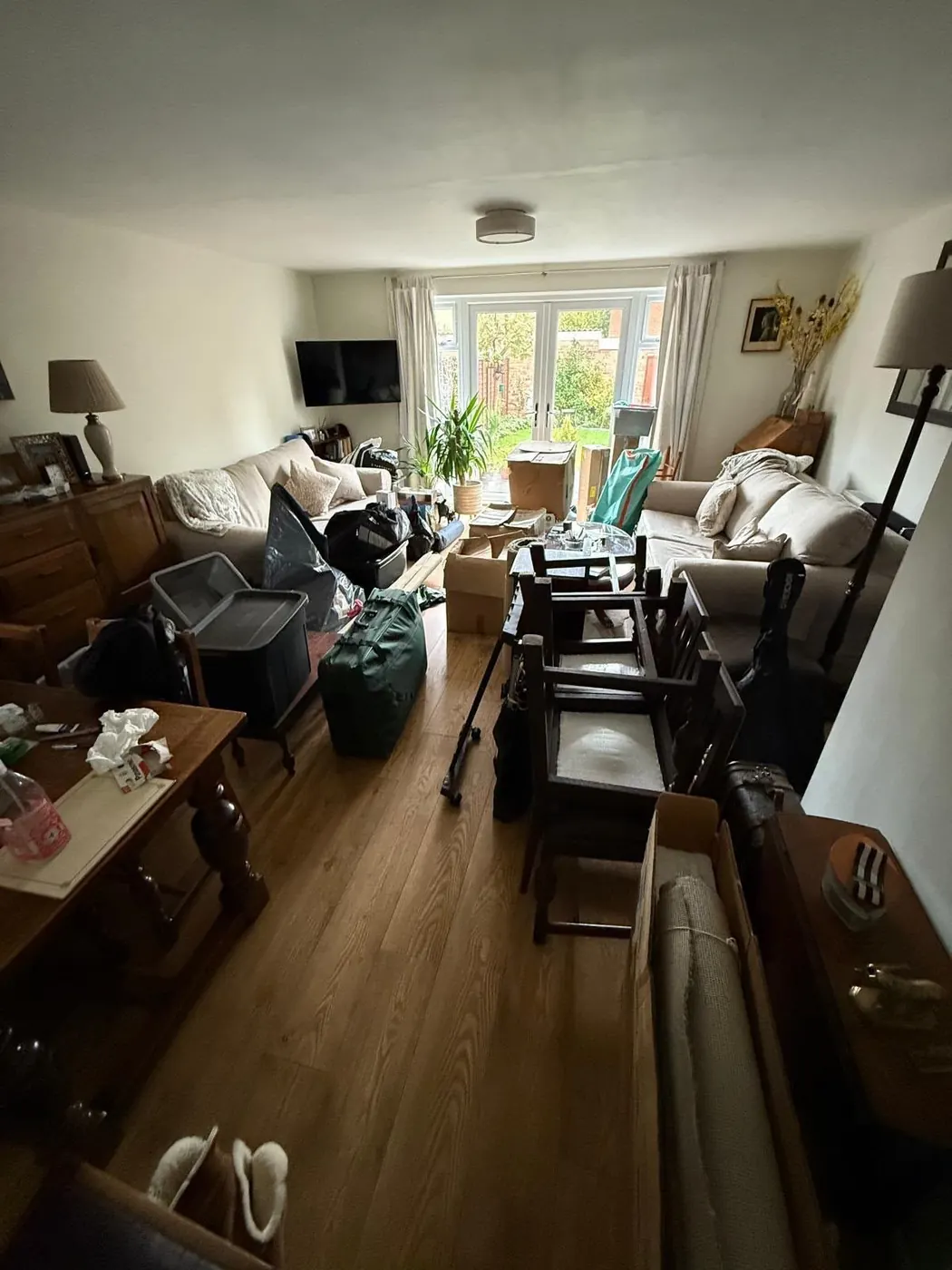
Full Property Clearances
Every room, the loft, the garage, the shed and the garden dealt with in one coordinated visit, leaving the whole property empty and swept clean.
Next step
Get a free quote for your eco-friendly disposal & recycling
Tell us what needs clearing and we will give you a clear, no-obligation price. No pressure, no call-out fee, and nothing is moved until you are happy with the plan.
Family-run by Spencer & Cordelia · 25+ years' experience · fully insured · Open 7 days · 07:00-19:00
Covering Abingdon, Oxford, Didcot, Wantage, Wallingford, Witney and the wider Oxfordshire area.